
LW Bills Comprehensive Life Safety Services and Fall Fire Safety Tips for Compliance
A life safety system should do two things without hesitation: work when it is needed and prove that it has been maintained when asked. That is where compliance and practical safety meet.
For property owners, facility managers, contractors, and business operators, fire and life safety is more than a box to check. It protects people, supports emergency responders, reduces risk, and helps keep buildings open and operational. From New England and customers with broader service needs, the goal stays the same: keep systems code-ready, documented, and dependable.

Life safety starts with reliable systems
Fire protection systems are built in layers. One system detects smoke. Another alerts occupants. Another helps control or suppress a fire. Exit lighting guides people out. Fire extinguishers support trained early response. Documentation proves the work was completed.
When these pieces are inspected and maintained together, the building is safer and compliance becomes easier to manage.
LW Bills' life safety services include:
Fire alarm inspections and testing Fire alarm panels, initiating devices, notification appliances, batteries, and communication paths all need routine testing. Proper records help show compliance with applicable codes and authority having jurisdiction requirements.
Fire alarm service and repairs Trouble signals, failed devices, communication issues, and nuisance alarms should not be ignored. A small issue can become a bigger compliance problem if it remains unresolved.
Sprinkler system inspections and service Sprinkler systems rely on valves, gauges, water flow devices, tamper switches, drains, and heads being in proper condition. Regular inspection helps confirm the system is ready.
Fire extinguisher inspections and maintenance Extinguishers must be accessible, charged, properly mounted, and suited to the hazard. Annual service, periodic maintenance, and replacements help keep them ready for use.
Emergency and exit lighting inspections During a power loss or smoke event, clear egress matters. Exit signs and emergency lights should be tested so occupants can find their way out quickly.
Kitchen hood suppression service Commercial cooking areas carry higher fire risk. Hood systems, nozzles, links, cylinders, and fuel shutoffs need scheduled inspection and maintenance.
Backflow and fire pump coordination Water-based systems depend on pressure, flow, and properly operating components. Coordinated testing helps avoid gaps between plumbing, fire protection, and facility maintenance.
Code compliance support and deficiency correction Inspection findings should lead to clear next steps. Deficiency reports, repairs, retesting, and documentation close the loop.
And more!

Compliance is not paperwork after the fact
Compliance works best when it is built into the service process. A finished inspection should not leave anyone wondering what passed, what failed, and what needs attention.
Strong compliance support usually includes:
Clear inspection reports
Photos or notes for deficiencies when appropriate
Device-level testing details where required
Repair recommendations written in plain language
Documentation that can be shared with property teams, insurers, or local officials
Follow-up scheduling for unresolved items
The most useful reports do more than say “pass” or “fail.” They help prioritize risk. A dead exit sign near a storage room is a problem. A failed fire alarm communicator is urgent. A blocked sprinkler valve can create a serious hazard. Each issue deserves the right level of attention.
This is why life safety should never be treated as a once-a-year scramble. A better approach is planned service, organized records, and prompt correction of deficiencies.
The best service plan matches the building
No two buildings carry the same risk. A restaurant, multi-tenant building, warehouse, school, medical office, industrial space, and residential property all have different hazards.
A useful life safety program looks at:
Occupancy type
Building age
System type and condition
Local code requirements
Inspection frequency
Known deficiencies
Seasonal risks
Changes in layout, storage, or use
For example, a restaurant may need close attention to hood suppression and extinguishers near cooking equipment. A warehouse may need clear sprinkler clearance, accessible fire lanes, and working pull stations near exits. A multi-unit residential building may need dependable alarm notification, emergency lighting, and accessible egress paths.
Good service is not just technical. It is practical. The work should help the building stay open, safe, and ready for inspection.

A fall fire safety tip worth doing now
As summer ends and fall begins, fire risk can shift quickly. Heating equipment turns back on. Extension cords appear for seasonal displays. Storage rooms fill with extra supplies. Leaves and debris collect near exterior equipment. People close windows and rely more on electrical and fuel-burning systems.
Here is a simple seasonal safety check that adds real value:
Before the first cold stretch of fall, walk the property and look for anything that blocks heat equipment, exits, alarms, sprinklers, extinguishers, or electrical panels.
This walk-through can take less than an hour, but it often catches issues before they become violations or hazards.
Focus on these areas:
Keep at least 18 inches of clearance below sprinkler heads unless local requirements or system design call for more.
Remove boxes, decorations, and supplies from exit paths.
Make sure extinguishers are visible and not blocked.
Test emergency lighting according to the required schedule.
Check that fire doors close and latch properly.
Keep combustibles away from boilers, furnaces, heaters, and electrical panels.
Replace damaged extension cords and avoid using them as permanent wiring.
Clear leaves and debris from exterior doors, vents, hydrants, and fire department connections.
This is not a replacement for professional inspection, but it is a smart seasonal habit. It helps catch obvious problems between scheduled service visits.
Why life safety should be treated as a priority
Life safety systems are quiet most of the time. That can make them easy to overlook. But during an emergency, they become some of the most important systems in the building.
A reliable program helps:
Protect occupants and responders
Reduce avoidable downtime
Support insurance and inspection requirements
Find deficiencies before they escalate
Maintain confidence in the building’s safety systems
Keep documentation ready when it is requested
The right partner should make compliance easier to understand, not harder. That means showing up prepared, testing thoroughly, explaining findings clearly, and helping correct problems with urgency.
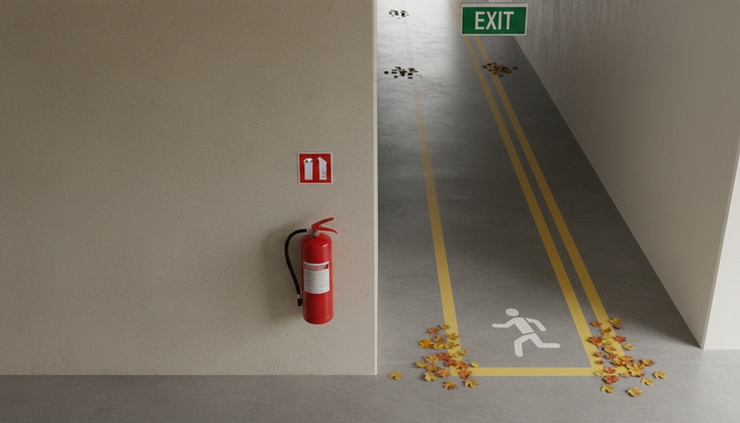
Build safety into the season ahead
Fall is a good time to reset. Review inspection records. Schedule overdue service. Walk the property for blocked devices and seasonal hazards. Make sure repairs have been completed, not just noted.
Comprehensive life safety service is about more than passing an inspection. It is about knowing that fire alarms, sprinklers, extinguishers, emergency lights, suppression systems, and documentation are ready before they are needed.
Compliance matters because people matter. A safer building starts with consistent service, clear records, and small habits that prevent big problems.


Comments